

Every day, an average of 126 trips connect Malta and Gozo, supporting thousands of commuters travelling to and from the islands for employment, education, business, and leisure. Connectivity between the two islands has always been a critical component of island life and a pillar of regional economic integration. As demand continues to grow, more comprehensive strategies are needed to address critical infrastructure.
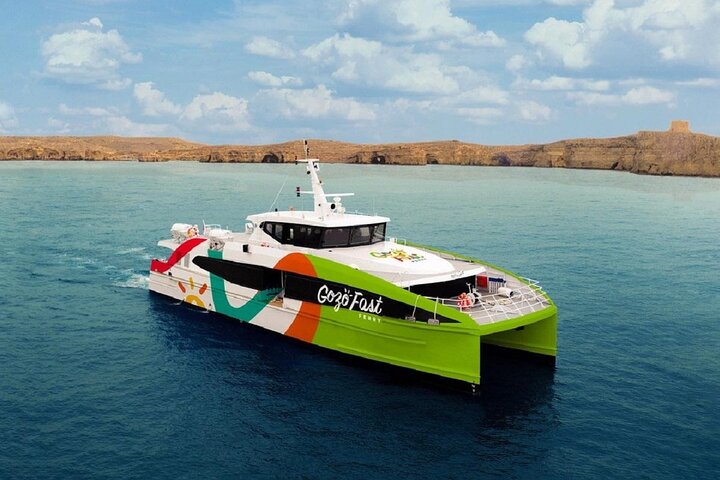
Recent statistics from the National Statistics Office (NSO) clearly indicate that last year, total yearly crossings have now exceeded 46,000 trips, and the total number of passengers who used the services stood at 7.3 million. In 2025, Gozo Channel operated 35,518 trips, carrying 6.1 million passengers. Meanwhile, Gozo Highspeed completed 10,543 trips, transporting 1.2 million passengers.
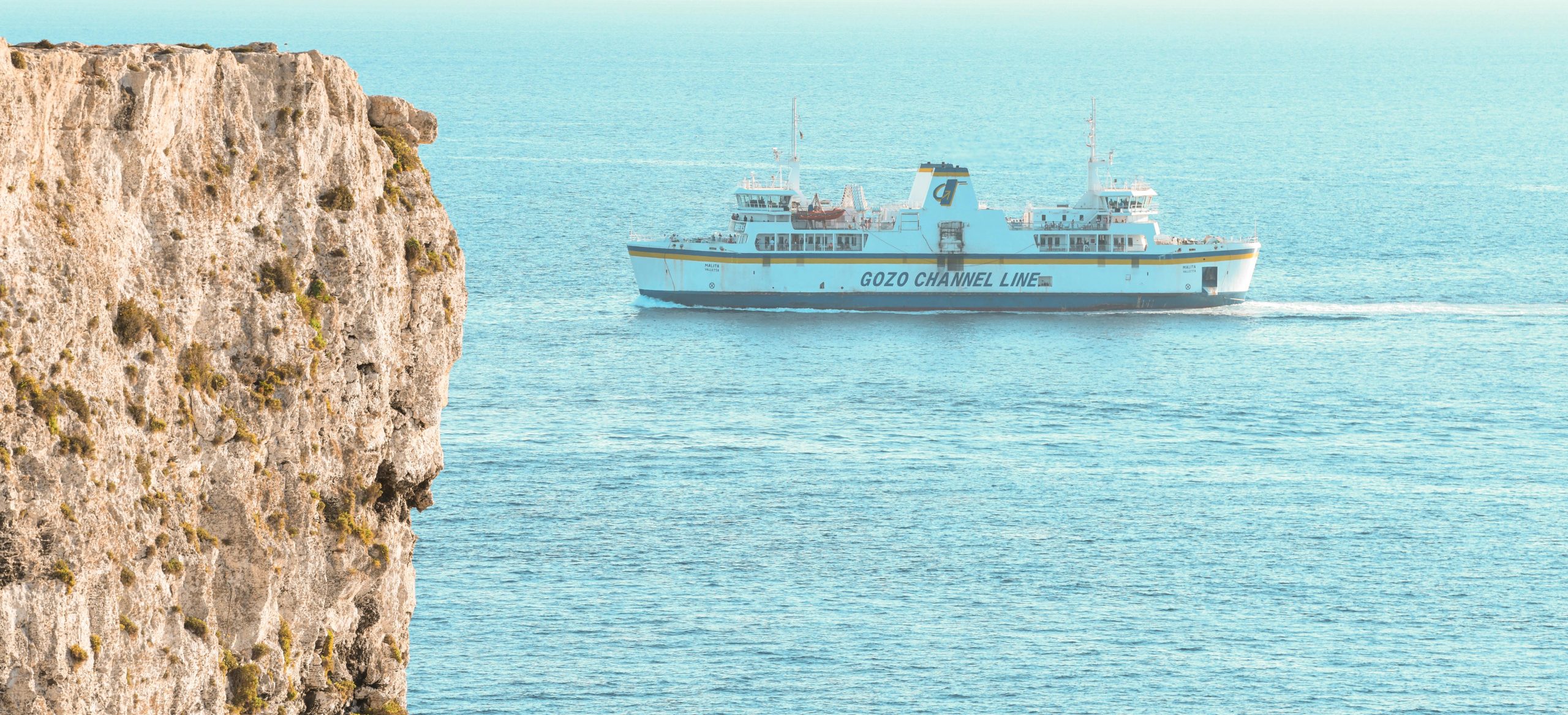
Compared to the previous year, Gozo Channel services increased by 1,707 trips and by more than 511,000 passengers, underscoring sustained, growing demand for inter-island mobility. Notably, passenger numbers on the Gozo–Valletta Fast Ferry service rose by 27%, pointing to the increasing importance of efficient links between Gozo and Valletta.
These figures highlight the necessity for additional capacity during both peak and off-peak periods. This is fundamental not only addressing mobility trends, but also for sustaining tourism performance and supply chain efficiency. As a result, the Government has identified the need for additional ferries operating between the islands. A larger ferry with a capacity of 250 cars will operate during high-demand periods, while a smaller 75-car vessel will provide flexibility when demand is lower.
These new vessels will operate in tandem with the three existing ferries. The existing ferries, each capable of carrying 150 cars, will undergo refurbishment to enhance and extend their operational life. A service will also be introduced to handle goods traffic between the Malta Freeport, the Grand Harbour, and Gozo.
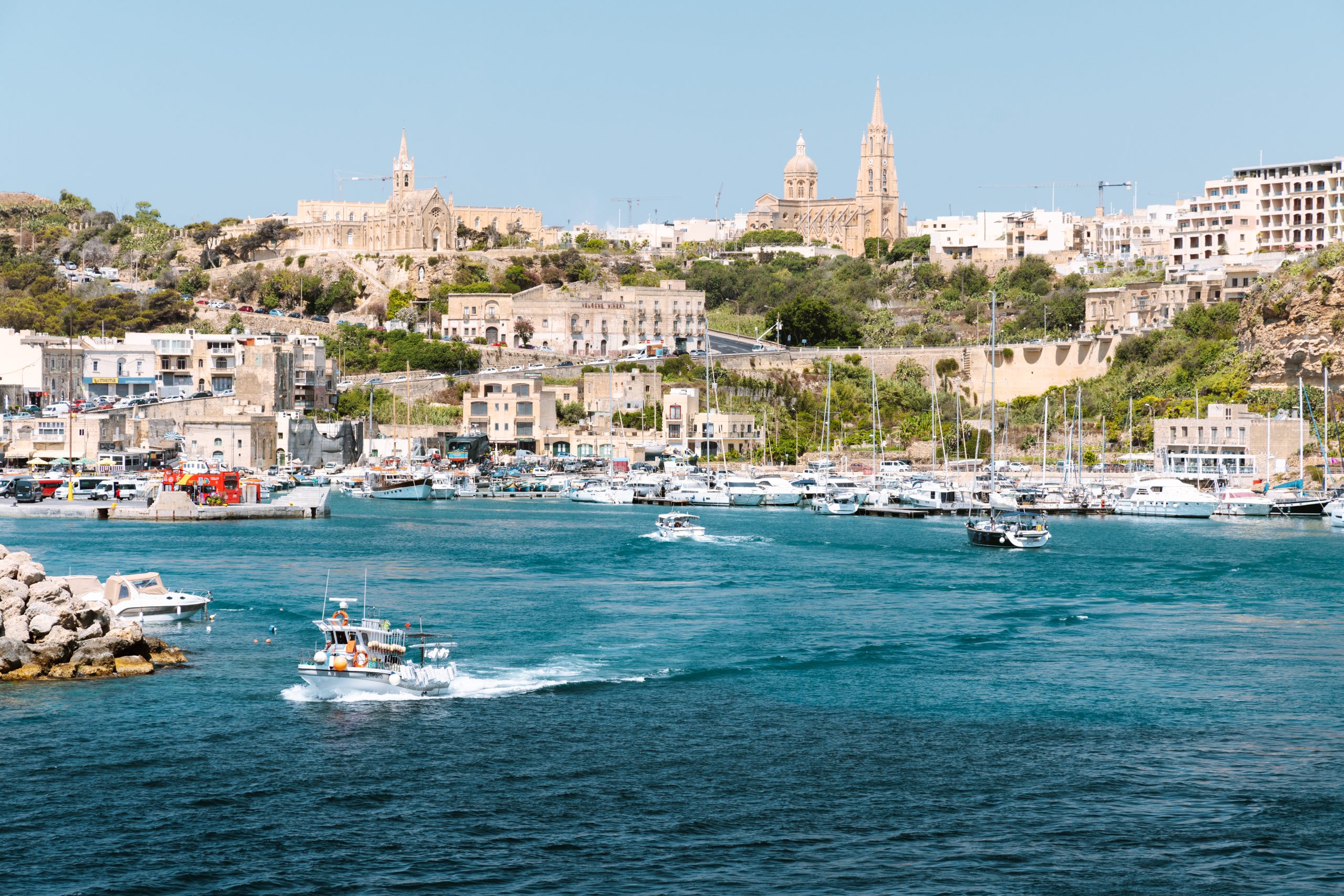
An international naval architecture firm will be undertaking the drafting of the technical specifications for the new ships. Another dedicated task force will oversee infrastructure improvements at Mġarr Port. The project, excluding port-related works, is estimated at €130 million. The two new passenger ferries are expected to begin operations in early 2029.
The introduction of the new ferries and improvements at Mġarr Port aim to strengthen the vital cross-island link, enhancing capacity, flexibility, and reliability, while ensuring smoother crossings and supporting Gozo’s economic growth and residents’ quality of life. During the press event announcing this plan, Minister Clint Camilleri emphasised the importance of this progress, stating, “We are achieving success, and it is now up to us to plan so that these successes can continue to be realised through the accessibility that is vital for an island like Gozo.”
Beyond maritime transport, efforts are also underway to redevelop Gozo’s air connectivity through the proposed development of the island’s rural airfield. The vision behind this investment is to enhance Gozo’s transport resilience, directly linked to the Malta International Airport, and to support sectors such as tourism, enterprise, and specialised General Aviation activities.
Together, these initiatives will address the growing demand for a stronger and more reliable link between the islands. By improving access and reducing travel barriers, visitors will be able to reach the island more easily and with greater flexibility, making it a more attractive and competitive destination.
Connectivity is key to Gozo’s socio-economic development. It sustains the island’s economic momentum while serving as an essential lifeline for Gozitan residents who commute to mainland Malta for various reasons. This also gives peace of mind to residents and investors alike. This new investment by the Government is a clear signal of the commitment to strengthening this connection and guarantees continued support for Gozo’s socio-economic growth.