
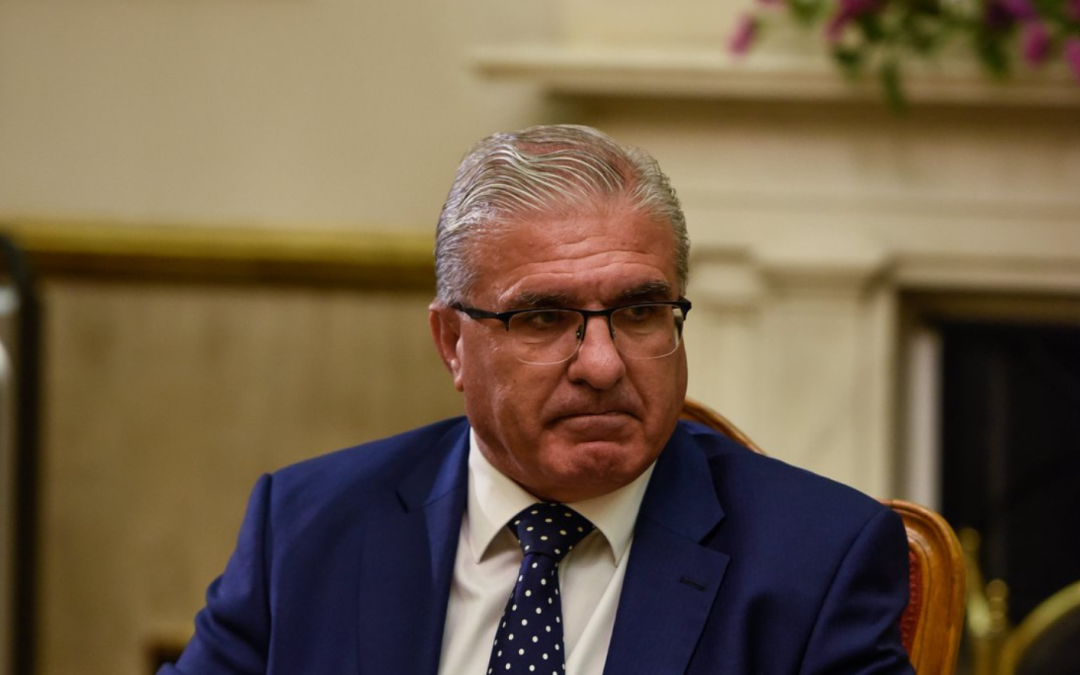
Recent data shows that Gozo’s tourism sector is entering a new phase — one defined not by recovery, but by sustained, strategic growth and a shift toward a more balanced, year-round tourism model. As recent figures continue to show the ongoing consolidation of Gozo’s efforts in its tourism sector, InvestGozo sought the perspective of Joe Muscat, CEO of the Gozo Tourism Association, who has been serving in this role since 2011 following a long-standing career in the hotel sector, on the trends shaping the island’s tourism future.
In this interview, the Chief Executive Officer of the Gozo Tourism Association shares insights into the forces driving this evolution, including reduced seasonality, the growth of niche tourism segments, and the increasing demand for higher-value, experience-driven travel, while highlighting the importance of safeguarding Gozo’s unique character and appeal as a distinct Mediterranean destination, as well as the challenges ahead and the strategic priorities shaping Gozo’s tourism future.
As Chief Executive Officer of the Gozo Tourism Association, how do you interpret the strong tourism growth recorded in Gozo in Q4 2025?
The double‑digit growth recorded in Gozo during Q4 of 2025 mirrors the strong performance of Q1 of the same year, when the island again registered significant increases in foreign tourists staying in Gozitan accommodations. These consistent results indicate that seasonality on the island is gradually, yet steadily, being mitigated. The ongoing efforts to showcase and position Gozo as a year‑round tourist destination are clearly bearing fruit.
It is important to note, however, that Q4 includes October, which is traditionally a busy month for Gozo’s tourism sector. This further confirms that the summer season no longer ends in mid‑September but extends well into October and even into part of November.
Q4 also encompasses December, during which Gozo is promoted as Christmas Island. The island’s cultural calendar is packed with festive events and activities, undoubtedly contributing to the growing number of visitors choosing Gozo for short breaks during this period.
The data shows a 24% increase in arrivals—what factors do you think drove this surge? Are we still seeing post-pandemic recovery, or a new phase of sustained growth?
The post‑pandemic recovery phase is now firmly behind us. The current increases reflect a period of sustained growth rather than a rebound effect. Gozo’s tourism offer is gradually evolving into one that prioritises authenticity and meaningful experiences. The island’s product is becoming more versatile and increasingly attractive to visitors seeking something different, an immersion in a distinctive and memorable holiday atmosphere.
Gozo is now being marketed with greater precision, targeting specific segments and special‑interest niches that the island is uniquely positioned to serve. Sectors such as diving, carnival, opera, walking trails, gastronomy, wellness, Holy Week traditions, and Christmas‑themed events are all contributing to rising visitor numbers. Importantly, these niches are driving growth during the low and shoulder months, when increased activity is most valuable.
Arrivals grew faster than nights spent—does this raise any concerns, and what strategies could encourage longer stays?
The decrease in average length of stay is not unique to Gozo; it is a trend observed across several competing Mediterranean destinations. This shift is largely linked to the introduction and expansion of low‑cost carriers operating to and from Malta. In the past, when most holidays were package‑based and booked through tour operators, stays were typically fixed at 7 or 14 nights, depending on the operator’s flight schedules.
With low‑cost airlines now offering daily connections to numerous destinations, travel patterns have changed significantly. Visitors have far more flexibility, which naturally impacts the average length of stay. Moreover, today’s travellers increasingly prefer taking multiple holidays per year, opting for shorter but more frequent breaks.
While Gozo is experiencing a decline in the average length of stay, this trend must be viewed within this broader international context rather than as an isolated local issue.
It is worth noting that foreign visitors staying in Gozitan accommodation are almost evenly split between those choosing Gozo as their primary holiday destination and those opting for a twin‑centre stay between Gozo and Malta. The latter group typically spends around three nights on Gozo, while visitors who select Gozo as their main destination stay an average of 7 to 8 nights. This difference has important implications. To increase the island’s overall average length of stay, Gozo must be marketed and promoted more deliberately as a destination suited for longer, immersive visits.
A 19% increase in 5-star accommodation suggests a shift in visitor profile—how significant is this, and do you see it as a long-term trend or an interesting phenomenon?
On record, Gozo has always attracted a distinct type of visitor. NSO statistics consistently show that tourists staying in Gozo spend more per capita than those staying on mainland Malta. The recent rise in demand for 5‑star accommodation reinforces this long‑standing trend and confirms the continued presence of a higher‑value visitor profile.
The 19% increase in 5‑star accommodation demand is far more than a temporary spike. It signals a clear shift in Gozo’s visitor mix toward higher‑spending, experience‑driven travellers. NSO data highlights this growth and places it within a broader pattern. Gozo is increasingly appealing to an affluent segment that values premium stays and is willing to invest in quality experiences.
This development aligns strongly with Gozo’s strategic positioning. The Gozo Tourism Association has long advocated for a “quality over quantity” approach, encouraging the island to differentiate itself through elevated standards and premium experiences. The rise in luxury stays directly supports this vision.
It also reflects global travel trends. Post‑pandemic travellers are increasingly seeking boutique, high‑comfort, wellness‑oriented stays, precisely the niche in which Gozo excels. The island’s ability to meet these expectations is clearly contributing to its evolving and increasingly upscale tourism landscape.
How can Gozo attract higher-value tourists while maintaining its identity? What are the main unique selling points that Gozo should focus on, or the premium experiences that should be strengthened?
Gozo can absolutely attract higher‑value visitors without sacrificing the essence that makes it unique. But this is only possible if the island doubles down on the qualities that distinguish it from mainland Malta and from other Mediterranean destinations. Gozo’s strength lies in its distinct identity, and once that erodes, its competitive edge disappears.
The Gozo Tourism Association, the Malta Tourism Policy, the GRDA Strategy, and the policy direction of the Directorate for Tourism within the Ministry for Gozo all emphasise the same principle: Gozo must remain a separate and distinct Mediterranean island destination. Its natural, rural, and cultural character should be preserved, even as infrastructure and services improve.
Gozo’s countryside, village cores, and slower pace of life are its strongest differentiators. These attributes should be positioned as premium selling points, not shortcomings.
Village life, traditional crafts, festas, and archaeological sites offer the cultural depth that affluent travellers actively seek. The island is also ideally suited for relaxation, wellness, and retreat‑based tourism. Gozo’s food culture, its small producers, wineries, bakeries, and fishing community, all represent a set of rich, under‑leveraged premium assets.
Finally, adventure tourism segments such as hiking, diving, kayaking, and cycling thrive in Gozo’s natural landscape, further strengthening its appeal to high‑value visitors.
The data shows improved performance outside peak summer—how important is this in reducing seasonality, and what strategies have worked best?
The improved performance outside the peak summer months is not just a statistical detail; it represents a structural shift that strengthens Gozo’s entire tourism model. The data shows that Gozo is finally moving toward becoming a genuine year‑round destination, a goal the Gozo Tourism Association and local operators have pursued for more than two decades.
Summer (Q3) still accounts for 33% of arrivals, but Q2 and Q4 now each contribute 26%, creating a far more balanced distribution than in previous years. This reduces the island’s vulnerability to weather fluctuations, airline capacity issues, or shocks that typically affect summer travel. In short, Gozo is becoming less dependent on a single season.
A more even spread of visitors stabilises income for local businesses. Restaurants, hotels, farmhouses, tour operators, and transport providers can operate more sustainably when demand is consistent throughout the year. This is especially critical in Gozo, where many enterprises are small and family‑run.
The trend also reinforces Gozo’s quality‑over‑quantity strategy. Higher‑value tourists, particularly international visitors, tend to stay longer, spend more, and travel outside peak months. Although they represent only half of total arrivals, international visitors already generate 61% of the overnight value.
Reducing seasonality also eases pressure on infrastructure during the summer months and creates a more authentic, less congested experience year‑round.
What further steps are needed to position Gozo as a true year-round destination?
Gozo is already moving toward year‑round tourism, but to truly establish itself as a 12‑month destination, it must reinforce the foundations that make off‑peak travel attractive, reliable, and high‑value. The data shows clear momentum: stronger Q2 and Q4 performance, rising international arrivals, and growing demand for premium stays. But the island is not “there” yet.
To accelerate this shift, Gozo needs to be marketed explicitly as a slow‑luxury, off‑peak destination. Its brand must evolve from “summer island” to “Mediterranean slow‑life island.” Marketing campaigns should target wellness travellers, digital nomads, food‑driven visitors, and nature‑seekers, segments that naturally prefer quieter seasons and longer stays.
Crucially, Gozo must move away from the perception of being a day‑trip extension of Malta. Instead, it should be positioned as a premium micro‑destination in its own right. Storytelling should centre on tranquillity, culture, craftsmanship, and rural charm. The core message should be simple and compelling: Gozo is best experienced outside the crowds.
With domestic and international tourism nearly balanced, how do these two markets complement each other?
Domestic and international tourism in Gozo do not simply coexist; they stabilise, complement, and reinforce each other in ways that are uniquely valuable for a small island economy. With the two markets now almost perfectly balanced, Gozo has reached a point where each segment fills the gaps left by the other, creating a more resilient and higher‑value tourism ecosystem.
The domestic market helps smooth out the extreme peaks and troughs typical of small islands. Local visitors sustain the shoulder and off‑peak months, with demand peaking on weekends through short breaks, family trips, and spontaneous getaways. International tourism, meanwhile, is more evenly distributed across the year, with strong performance in summer, spring and autumn and growing interest in winter travel.
Although domestic stays are shorter, they often generate a higher spend per night. International visitors, on the other hand, stay longer, spend more per night, and drive demand for premium accommodation. Together, these patterns create a balanced revenue mix that supports both everyday businesses, cafés, restaurants, transport providers, and higher‑end operators such as boutique hotels, farmhouses, and diving centres.
Domestic and international tourism in Gozo do not compete; they complete each other. Domestic tourism provides volume, reliability, and cultural continuity. International tourism brings value, seasonality reduction, and premium demand.
This equilibrium between the two markets is one of Gozo’s greatest strategic advantages, and a key reason the island is now performing more strongly outside the peak season.
What are the main challenges that come with this level of tourism growth?
Gozo’s recent tourism growth is impressive, but it brings real structural challenges that must be addressed if the island is to remain sustainable, authentic, and competitive. The data shows rising arrivals, stronger off‑peak performance, and a shift toward higher‑value visitors. All of this is positive, but growth at this pace also exposes pressure points that are already visible on the ground.
One major concern is the surge in construction, particularly within village cores. If development is not guided by strict visual and architectural standards, Gozo risks losing the very qualities that make it distinctive. Uncontrolled building activity can erode traditional village character, trigger local frustration, and create tension between economic opportunity and cultural preservation. If Gozo loses its uniqueness, it loses its competitive advantage.
Tourism growth also means more visitors, more vehicles, and more pressure on transport systems. Congestion in Victoria and the resort areas of Marsalforn and Xlendi is already a recurring issue. Parking shortages and ferry queues during peak weekends and summer months further strain the visitor experience. The congested Mġarr Harbour has reached its capacity limits, and alternative porting facilities will be essential if Gozo is to accommodate further growth. Without new solutions, mobility will remain one of the island’s biggest barriers to sustainable development. The current strain on the harbour already affects both residents and visitors, and as tourism continues to expand, the pressure on transport infrastructure will only intensify. Addressing mobility, both maritime and on‑island, is therefore critical to safeguarding Gozo’s long‑term competitiveness and quality of life.
Looking ahead, how is 2026 shaping up so far, and what should be the key priorities to sustain and improve the sector?
The picture is positive but demanding. Growth is continuing, the visitor mix is evolving, and the island now faces strategic choices that will shape its long‑term identity. Last year’s results show clear and encouraging increases, indicating that Gozo entered 2026 with sustained momentum, a more balanced seasonal distribution, and a decisive shift toward higher‑value visitors.
The GRDA’s macro‑economic outlook projects continued GDP growth through 2026, driven largely by tourism and public investment. Gozitan tourism operators remain optimistic, yet they are also navigating rising pressures. Increasing food costs are squeezing margins, labour shortages, especially in hospitality, remain critical, and there is growing concern that overdevelopment may erode Gozo’s identity.
Despite these challenges, investment in accommodation, catering, and infrastructure remains strong. But to maintain this momentum and evolve into a truly distinct, sustainable, high‑value destination, Gozo must confront the risks of overdevelopment, labour shortages, and pressure on its cultural and environmental identity. Yet Gozo can make it happen.
InvestGozo thanks Mr Muscat for sharing his perspective on Gozo’s tourism.