
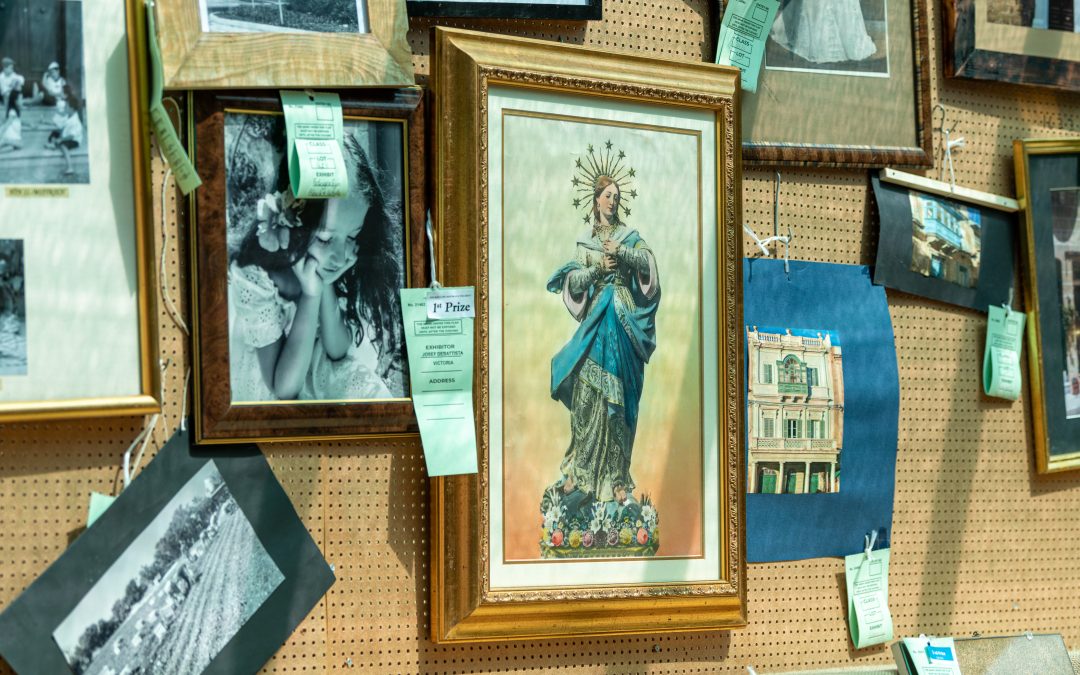
While the Santa Marija Agrarian Fair, held yearly in August over the Feast of Santa Marija, is entrenched in historic tradition, there is no doubt that the event is not only about nostalgia, but it presents a way of illustrating how Gozo’s primary sector has evolved into a modern rural economy built on entrepreneurship, quality artisanal production, agribusiness and investment.
The Santa Marija Agrarian Fair can be considered the oldest business exhibition and, without doubt, the most colourful exposition of Gozo’s resourcefulness and entrepreneurship. The fair, which began under British rule, dates back to 1855, when farmers from the island’s rural villages typically came to Villa Rundle Gardens, in Victoria, to present their produce, livestock, and craftsmanship. August 15 marked the payment of the annual land lease for farmers (qbiela) and the competition developed around this important economic date in an era when agriculture was the backbone of the economic activity on the island. The date marked not only an important milestone in the farming calendar but also a time when farmers gathered the harvest. Historically, the fair became a designated event that was both a competitive stimulus and a celebration of agricultural achievements by participating farms.
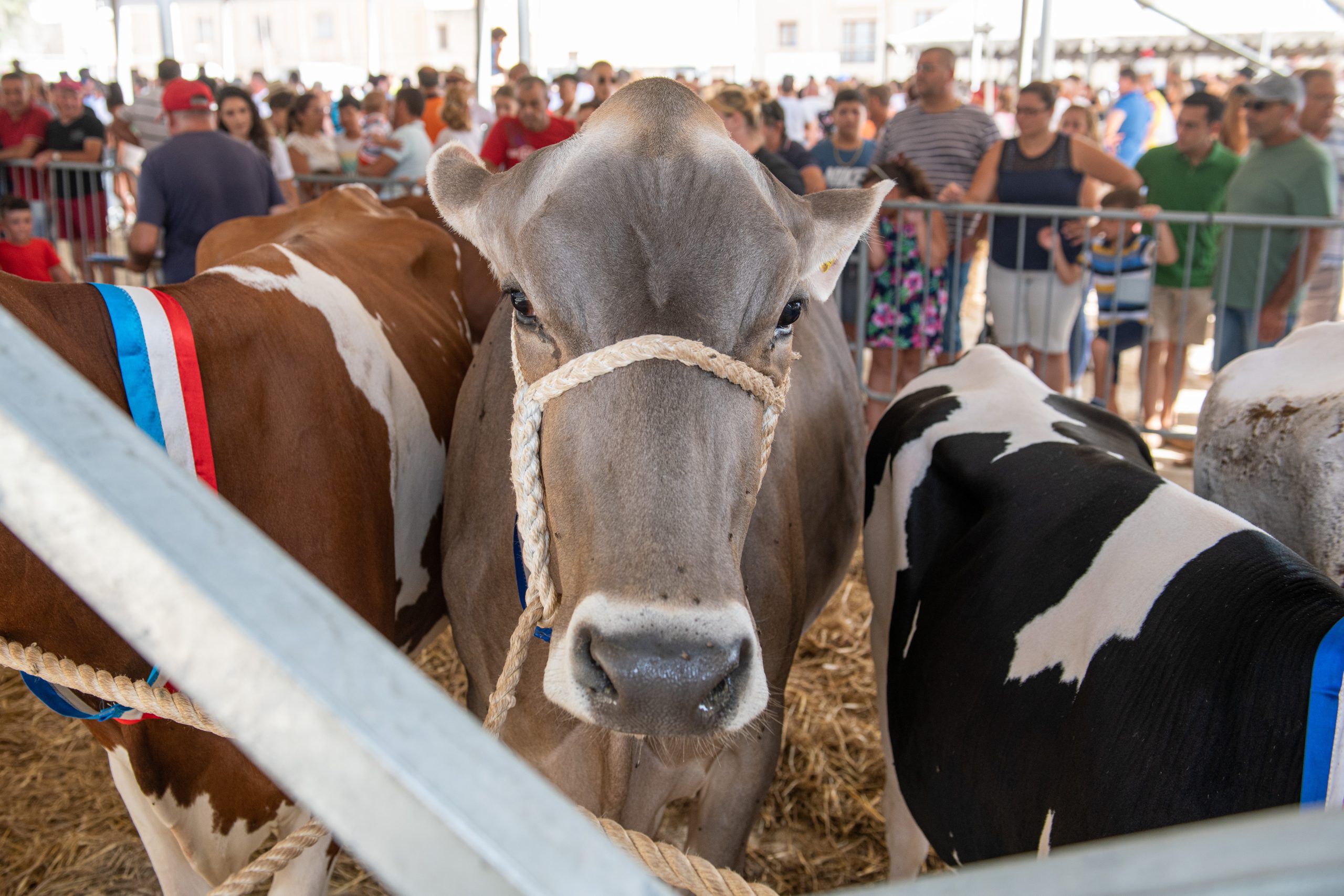
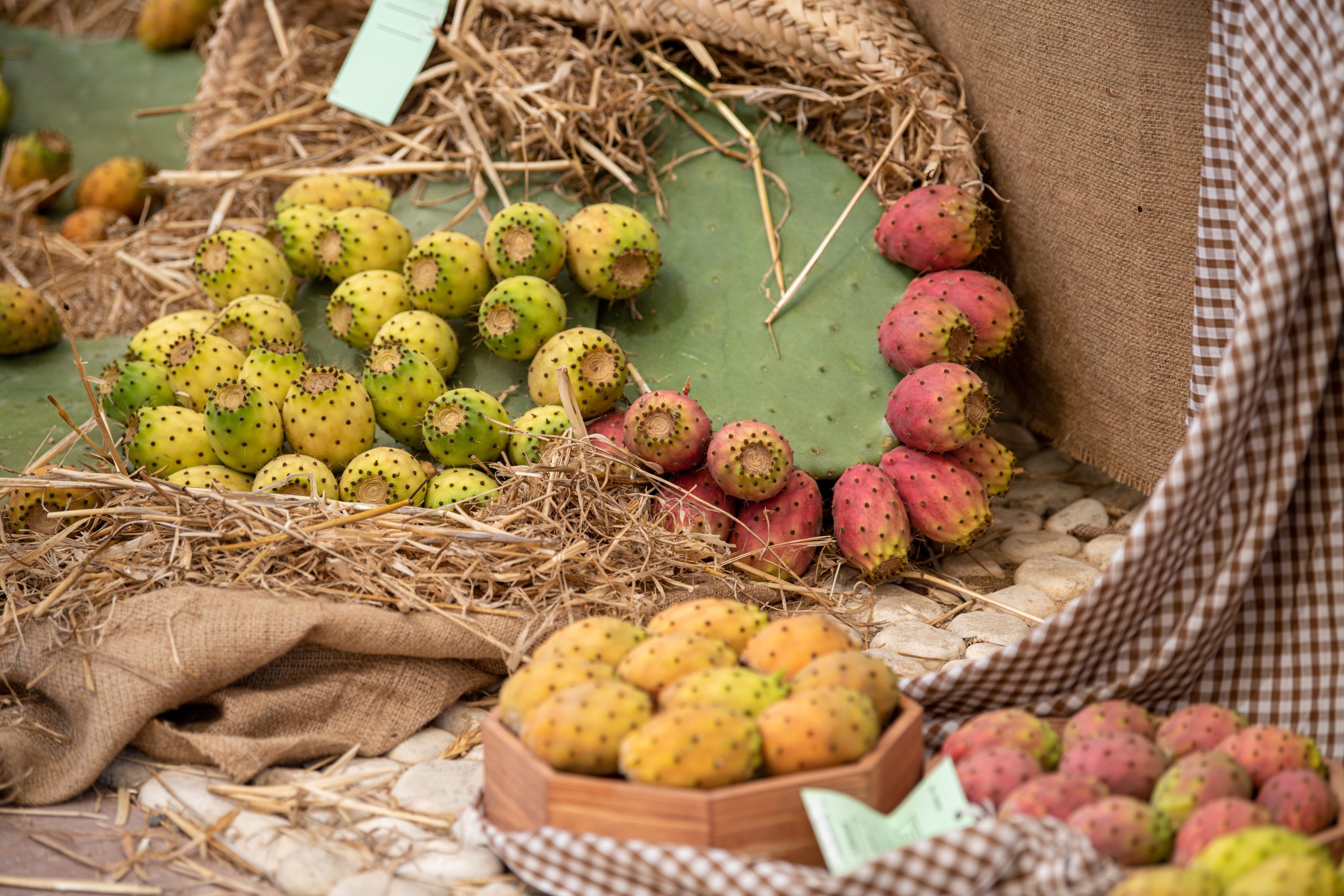
Until the mid-twentieth century, farming was the island’s principal employer. Industrialisation, education and emigration reduced the farming community, and by the end of the twentieth century, many farms had become part-time operations. Today, although fewer people are engaged in agriculture as a full-time job, the sector has become more entrepreneurial. A new generation of farming communities is increasingly combining traditional knowledge with innovation acquired through higher education and experiences abroad to produce specialised, value-added, premium food products and sustainable tourism experiences. The Santa Marija Agrarian Fair highlights these premium products such as olive oil, wine, honey, cheese and artisanal foods. Today’s exhibitors are far more than traditional farmers. While many are the direct descendants of the farming families of a century ago, they are modern agricultural entrepreneurs and food and livestock producers who have taken their operations to new levels. Over the years, they have modernised their operations, some even branching out into specific niche markets and others opting to run family businesses as eco-farms, where tradition has evolved and embraced innovation. This evolution is evident in the variety of livestock brought to the exhibition each year for the competition, in sustainable farming techniques, in modern agricultural machinery, and even in the branding and quality certification endeavours that today’s producers engage in. When it comes to agriculture, Gozo presents a case where innovation and heritage continue to complement each other rather than compete.
Naturally, the impact of the rural community extends far beyond what is showcased during the Santa Marija Agrarian Fair. Farmers are not only producers but also environmental stewards, playing an intrinsic part in the value chain and becoming important suppliers to the hospitality industry, restaurants, and retailers. Some have even diversified further by transforming their farms into agritourism ventures, offering accommodation and immersive rural experiences. In this way, agriculture is no longer purely engaged in primary production, but is becoming entwined with Gozo’s tourism offering. The Santa Marija Agrarian Fair, while having started purely as an agricultural fair, today plays a role in strengthening Gozo’s reputation as a destination built on authenticity and quality. Visited by thousands of locals and tourists alike, it provides producers and artisans with the opportunity to showcase Gozitan products to a wide audience.
Beyond the agricultural aspect, the Santa Marija Agrarian Fair is also an exhibition of artisanal sectors. While many participants are very small micro-operations, some have taken their craft very seriously. As they seek to preserve traditions, such as Gozitan lace, weaving, pottery, and metalwork, many artisans have reinvented themselves as small businesses, opening their workshops to guests and offering both premium products and hands-on sessions.
Looking ahead, there is no doubt that Gozo has more to offer in agritourism investment and farm experiences that tie into farm-to-table initiatives and produce. These align with modern notions of rural innovation, sustainable agriculture, food branding, and agri-tech. As the Santa Marija Agrarian Fair celebrates more than 170 years of tradition, dedication and ingenuity of Gozo’s farming and artisan communities, it also reflects an economy where tradition has inspired innovation and where local producers create value through quality and craftsmanship, and where rural enterprise continues to play a part in the island’s future. The fair underlines the importance of sustainable investment whilst reminding us that some of Gozo’s unique strengths are rooted in its agricultural heritage.